How to look after your pickleball paddle in the Aussie heat
Australian summers are tough on pickleball paddles. Why heat damages paddles, the one rule you should never break, and simple habits for cleaning, storing and protecting your paddle, grip and balls.
By The Kove Team · · 6 min read
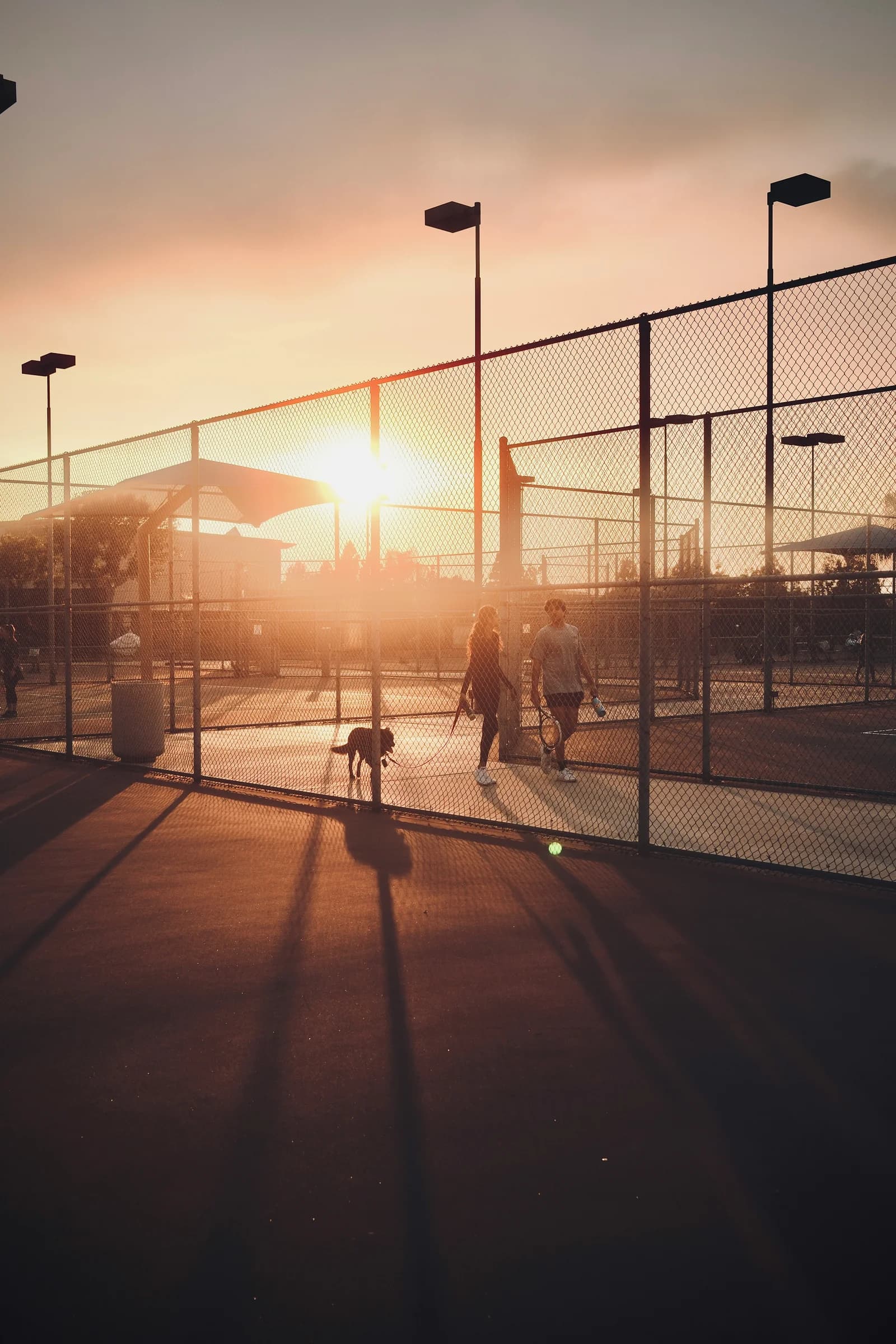
Australian summer is prime pickleball season. Long evenings, warm courts, a post-game swim if you're lucky. It's also the hardest time of year on your paddle.
Modern paddles are tough, but they're built from polymers, resins and adhesives that don't love extreme heat. A few simple habits will keep your paddle playing like new for longer. Here's what we recommend — starting with the one rule that matters more than all the others.
Why heat is bad for paddles
A modern pickleball paddle is a sandwich: two faces (usually carbon fibre or fibreglass) bonded to a polymer honeycomb core, with an edge guard and a built-up handle. Those layers are held together with resins and adhesives.
Heat affects paddles in a few ways:
- Adhesives soften. At high temperatures, the bond between the face and the core can weaken. Over time, that can lead to delamination, where the face starts to separate from the core.
- The core can deform. The polymer honeycomb can soften and compress, creating dead spots with a noticeably different feel.
- Grips degrade. Heat breaks down the tackiness of grips and overgrips faster.
- Edge guards can lift. Softened adhesive can let the edge guard peel away.
None of this happens at a normal hot day on court. The problem is extreme heat — and in Australia, the most extreme heat your paddle will ever see is usually in one place.
The golden rule: never leave your paddle in the car
On a hot Australian day, the inside of a parked car can get far hotter than the air outside — well over 60°C, and hotter still on a dark dashboard or in a boot in direct sun. That's the kind of temperature that can damage a paddle.
So the single best thing you can do for your paddle is simple: bring it inside with you. Don't leave it in the boot while you do the shopping. Don't leave it on the parcel shelf. Don't leave it in the car overnight. If you absolutely must leave it for a few minutes, put it in its cover, out of direct sun, on the floor rather than the dashboard or rear shelf.
Storing your paddle at home
- Somewhere cool and dry. A cupboard or wardrobe is perfect. Avoid garages and sheds that heat up in summer.
- Out of direct sun. Sunlight through a window can heat a paddle and fade its graphics over time.
- In its cover. A cover protects the face from scratches and knocks, keeps dust off, and adds a buffer against temperature swings.
- Flat or hanging. Avoid storing heavy things on top of your paddle.
At the courts
- Keep it in the shade between games. Under your chair or in your bag works.
- Don't leave it face-down on hot concrete. Court surfaces can get very hot in the midday sun.
- Use your cover between sessions, especially at all-day events.
- Swap to an early or late session in heatwaves. It's better for you as well as your paddle.
Cleaning the face
A clean face plays better. Dust, sunscreen, sweat and ball residue build up on the surface and reduce grip — especially on raw carbon faces, where the texture does the work.
- Wipe after every session with a slightly damp microfibre cloth.
- For a deeper clean, use a little water with a drop of mild soap, then wipe with a clean damp cloth and dry.
- Avoid harsh chemicals, solvents, alcohol wipes and abrasive scourers. They can damage the finish and wear the texture.
- Let it dry fully before putting it back in its cover.
Specialised paddle-face cleaning erasers are available, and some players swear by them for lifting ball residue from raw carbon. If you try one, use gentle pressure and test a small area first.
Looking after the grip
Sweat, sunscreen and heat all wear down grips. In an Australian summer, even the best grip will lose its tack faster.
- Wipe the handle with a dry towel after play.
- Use an overgrip. It's cheap, it takes two minutes to wrap, and it protects the original grip underneath. Swap it when it goes shiny or stops feeling tacky — for regular players, that's usually every few weeks.
- Let damp grips air out before you put your paddle away.
Protecting the edges
Most Australian courts are hard courts, and concrete is unforgiving. A few habits help your edge guard last:
- Don't scoop balls off the court with your paddle. Dragging the edge along the surface wears it down fast. Pick balls up by hand, or use your foot and paddle together gently.
- Watch the net posts and fences. Most edge damage happens on wild lunges near the sidelines.
- Don't tap your paddle on the ground between points.
Your balls need looking after too
Outdoor balls also suffer in the heat. They can soften, go out of round and crack more quickly when they're left in hot cars or direct sun. Keep your balls in your bag, out of the sun, and retire any that crack or go noticeably soft. Rotating a few balls rather than wearing one out also helps.
Signs your paddle might be damaged
Paddles don't last forever, and heat can speed up wear. Keep an eye (and ear) out for:
- Dead spots — areas of the face that feel noticeably softer or less responsive
- A rattling or crunching sound when you shake or hit with the paddle
- Bubbling, lifting or soft spots on the face, which can indicate delamination
- An edge guard that's lifting or separating
- Cracks anywhere on the face or throat
If you see any of these on a Kove paddle within the warranty period, get in touch. Manufacturing defects are covered by our 12-month warranty and, of course, your rights under the Australian Consumer Law.
Travelling with your paddle
Heading away for the holidays with a paddle in tow? Carry it in its cover inside your main bag or as part of your cabin luggage if your airline allows it, rather than in a loose checked bag where it can be crushed. On road trips, the same golden rule applies: bring it inside at every stop, and keep it out of the boot on long drives in the sun. Caravans and campervans can get just as hot as cars, so store it somewhere shaded and ventilated.
Look after yourself, too
Your paddle isn't the only thing that struggles in the heat. Australian summers are serious, and pickleball's long social sessions make it easy to lose track of time on court.
- Be SunSmart. Slip on a shirt, slop on sunscreen, slap on a hat, seek shade and slide on sunglasses. Reapply sunscreen every couple of hours.
- Hydrate before you're thirsty. Bring more water than you think you'll need, and consider electrolytes on very hot days.
- Play at the cooler ends of the day. Early mornings and evenings are more pleasant for everyone.
- Take breaks in the shade between games, and sit out a round if you're feeling the heat.
- Know the signs of heat illness — dizziness, headache, nausea, confusion — and stop playing straight away if you or a playing partner notice them.
Your summer paddle checklist
- Never leave your paddle in a hot car
- Store it in its cover, somewhere cool and dry
- Keep it in the shade at the courts
- Wipe the face after every session
- Swap your overgrip when it stops feeling tacky
- Don't scoop balls with the edge
- Keep your balls out of the sun too
Look after your paddle and it'll look after you — through this summer and plenty more. And if you're choosing a new paddle for the season, our guide to how to choose a pickleball paddle is a good place to start.